TL;DR
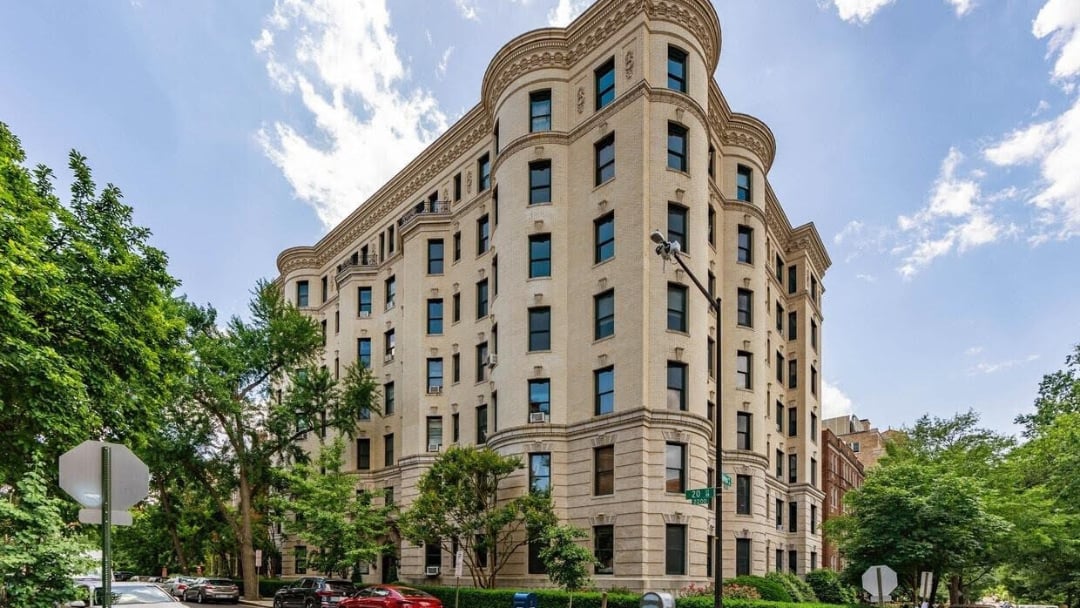
The Mendota is one of Washington, DC’s most historically significant apartment buildings. Built in 1901 and opened in 1902, it helped pioneer luxury apartment living in the Kalorama Triangle neighborhood. Designed by architect James G. Hill in the Beaux-Arts and Classical Revival styles, the building introduced upscale communal living to wealthy Washingtonians. It later became Washington’s first cooperative apartment building and remains one of DC’s most architecturally preserved historic residences today.
The History of The Mendota in Washington, DC
Built in 1901 and officially opened in 1902, The Mendota was one of the first luxury apartment buildings in what is now known as the Kalorama Triangle neighborhood of Washington, DC.
Designed by architect James G. Hill, the building represented a major shift in how affluent Washingtonians lived during the early 20th century. At the time, apartment living was still considered experimental, especially among upper-class residents accustomed to single-family homes staffed with domestic workers.
The Mendota offered an alternative: elegant urban living with luxury amenities and less household maintenance.
Architectural Style of The Mendota
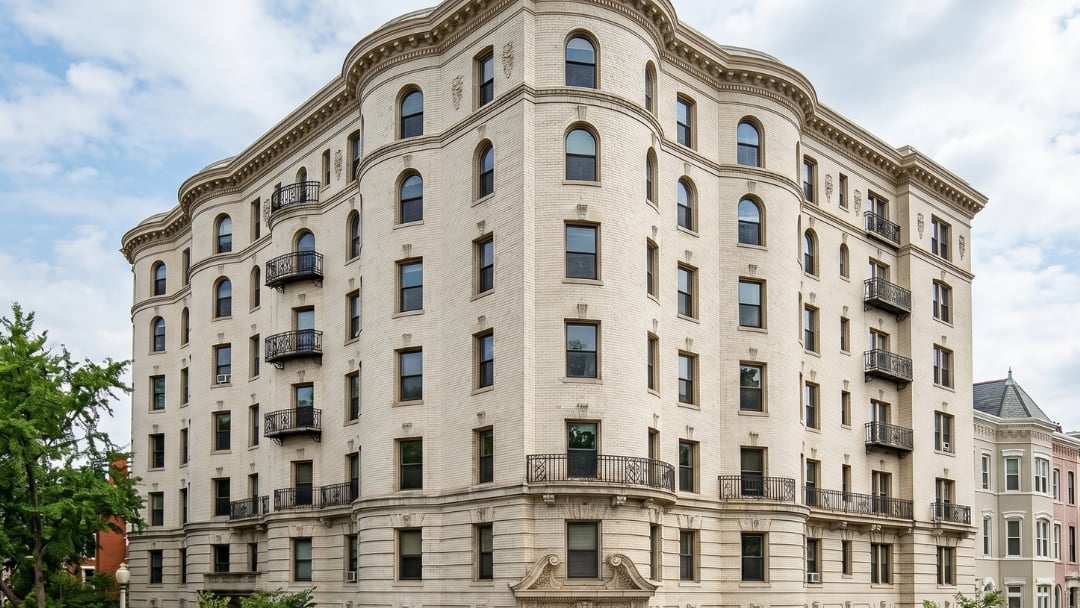
The Mendota was designed in the Beaux-Arts and Classical Revival styles, architectural movements that were especially popular in Washington, DC during the late 19th and early 20th centuries.
Notable exterior design elements include:
-
A symmetrical façade with ornamental brickwork and stone trim
-
Prominent cornices and decorative lintels
-
A formal, hotel-inspired entrance typical of early luxury apartment buildings
Originally, the building contained just under 50 apartments with layouts ranging from one to four bedrooms.
Early Luxury Apartment Living in Washington, DC
At the time The Mendota opened, luxury apartment living was still a relatively new concept in Washington.
The building introduced amenities that were considered highly advanced for the era, including:
-
A shared dining room for residents
-
Elevators and dedicated service spaces
-
Features designed specifically for upper-middle-class residents
This represented a cultural shift toward urban, communal living among wealthy Washingtonians.
Many of the original interior features remain preserved today, including:
-
High ceilings, often exceeding 9 to 10 feet
-
Hardwood floors and original moldings
-
Large windows designed for cross-ventilation before air conditioning
-
A central lobby layout that reinforced the building’s social atmosphere
At the time, these features demonstrated that apartment living could rival, and in some ways surpass, private townhouses in comfort and prestige.
Why The Mendota Was Socially Important
Unlike some historic Washington buildings, The Mendota was not known primarily for celebrity residents.
Instead, it became home to:
-
Government officials connected to the growing federal bureaucracy
-
Professionals and diplomats
-
Members of Washington’s upper-middle-class social circles
The building helped normalize the idea that affluent residents could comfortably live in apartments rather than private homes.
Its appeal included:
-
A semi-communal lifestyle
-
Shared dining and social interaction
-
Proximity to Dupont Circle and downtown Washington without maintaining a full household staff
The Mendota was not about fame, it was about redefining elite urban living in Washington, DC.
The Mendota and Cooperative Housing in Washington, DC
The Mendota eventually became Washington, DC’s first cooperative apartment building, helping establish the cooperative housing model that later became influential throughout the city.
Today, many original architectural details remain preserved, including:
-
Decorative moldings
-
Historic elevators
-
Oversized windows
-
Traditional layouts and high ceilings
How Cooperative Ownership Works
Purchasing a cooperative apartment differs from purchasing a condominium.
In a co-op:
-
Buyers purchase shares in a corporation rather than real estate directly
-
Monthly co-op fees are often higher than condo fees
-
Fees may include property taxes, heat, water, staffing, and building maintenance
Because co-ops typically restrict rentals, they tend to attract residents seeking:
-
Long-term stability
-
Historic architecture
-
Community governance
-
Owner-occupied living environments
This has helped preserve The Mendota’s historic character over time.
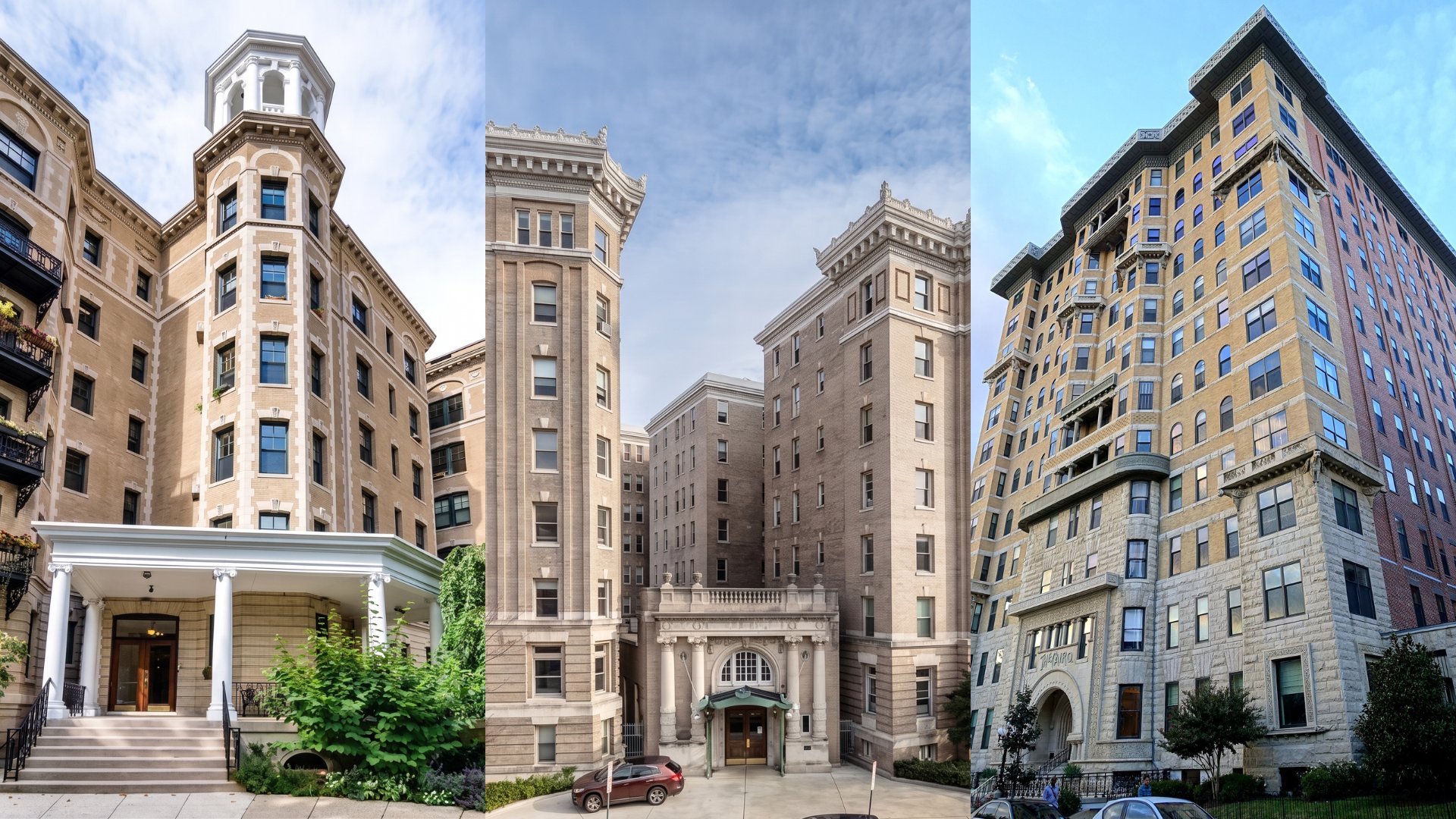
Other Historic Cooperative and Apartment Buildings Near The Mendota
The Ontario (1905)
Built in 1905, The Ontario emerged during the same apartment-building boom that transformed the Kalorama and Dupont neighborhoods.
Compared to The Mendota, The Ontario followed the trend that The Mendota helped establish.
The Wyoming (1909)
Built in 1909, The Wyoming represented the next generation of luxury apartment living in Washington.
The building featured:
-
A grand courtyard
-
Lavish lobby spaces
-
More ornate architectural detailing
While The Wyoming was larger and more palace-like, The Mendota remained more restrained and neighborhood-oriented, yet still pioneering for its time.
The Cairo (1894)
Built in 1894, The Cairo was one of Washington’s first true high-rise apartment buildings.
The building became controversial because of its height and ultimately contributed to Washington, DC’s famous building height restrictions.
Compared to The Cairo’s skyline-changing presence, The Mendota offered a more refined and neighborhood-scale version of luxury apartment living.
Final Thoughts
More than a century after it first opened, The Mendota remains one of Washington, DC’s most important early apartment buildings. While other historic residences may attract attention for their size or famous residents, The Mendota’s true significance lies in how it changed the way affluent Washingtonians viewed urban living.
By introducing luxury apartment life to the Kalorama Triangle neighborhood in the early 1900s, the building helped shape the future of residential development in Washington, DC. Its transition into the city’s first cooperative apartment building further cemented its legacy as a pioneer in both architecture and housing models.
Today, The Mendota continues to stand as a rare example of preserved Beaux-Arts and Classical Revival design, offering residents a blend of historic character, architectural craftsmanship, and long-term community living that has become increasingly rare in modern Washington real estate.
Thinking about your next move? We’d love to guide you every step of the way. Reach out to Leah Fernandez at 202.217.1652 or [email protected].
Frequently Asked Questions About The Mendota
Q1: What is The Mendota in Washington, DC?
A: The Mendota is a historic luxury apartment and cooperative building located in the Kalorama Triangle neighborhood of Washington, DC. Built in 1901 and opened in 1902, it is considered one of the city’s earliest luxury apartment buildings and Washington’s first cooperative housing building.
Q2: Who designed The Mendota?
A: The Mendota was designed by architect James G. Hill, who specialized in apartment buildings and helped shape early residential architecture in Washington, DC.
Q3: What architectural style is The Mendota?
A: The building was designed in the Beaux-Arts and Classical Revival styles, featuring symmetrical design, ornamental brickwork, decorative stone trim, and formal entrances typical of early luxury apartment buildings.
Q4: Why is The Mendota historically significant?
A: The Mendota helped pioneer luxury apartment living in Washington, DC and played an important role in normalizing apartment living among affluent residents during the early 20th century. It also became Washington’s first cooperative apartment building.
Q5: What is cooperative housing?
A: In cooperative housing, residents purchase shares in a corporation that owns the building rather than directly owning real estate. Co-op owners usually pay monthly fees that help cover maintenance, staffing, utilities, taxes, and building operations.
Q6: Is The Mendota still a cooperative today?
A: Yes. The Mendota remains a cooperative residential building and continues to attract residents interested in historic architecture, long-term ownership, and community-oriented living.
Q7: Where is The Mendota located?
A: The Mendota is located at 2220 20th Street NW in the Kalorama Triangle neighborhood of Washington, DC, near Dupont Circle and Adams Morgan.