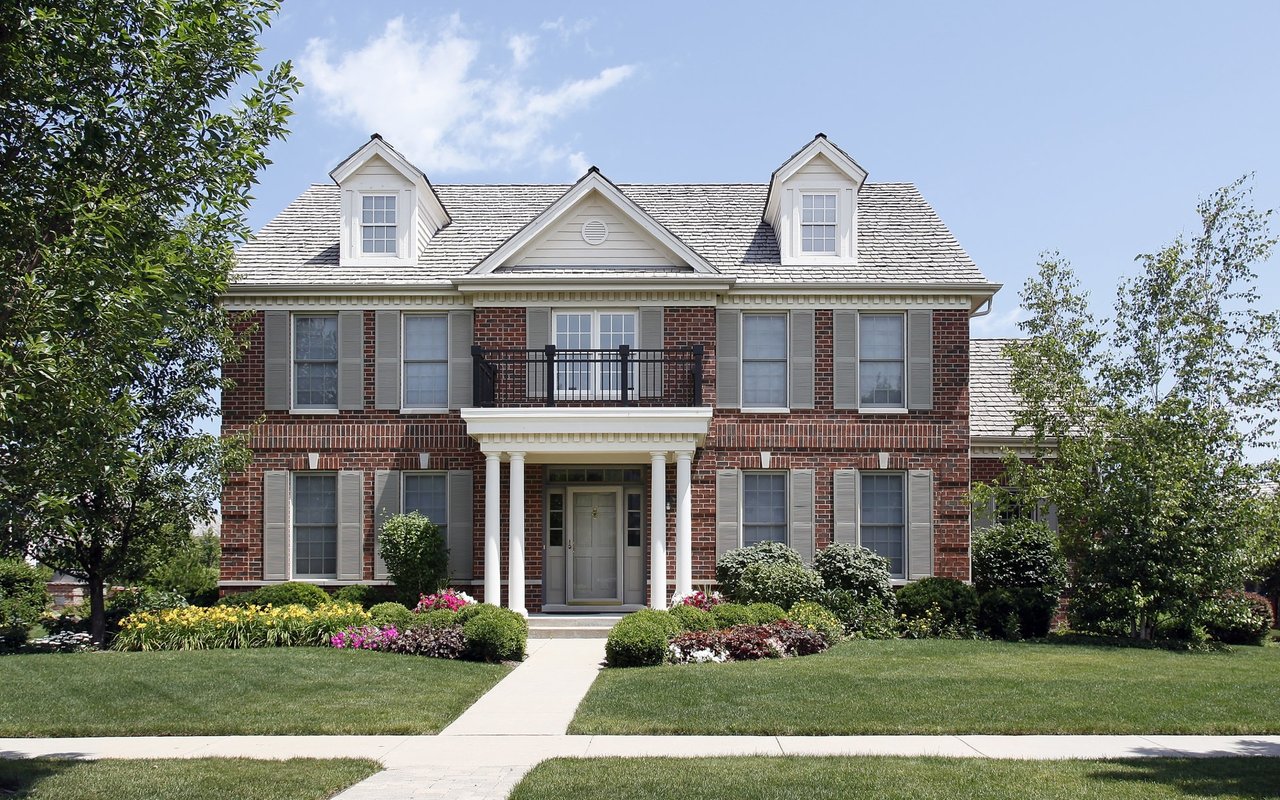
Historic Charm, Waterfront Living & One of DC’s Most Iconic Neighborhoods
TL;DR
Set along the Potomac River in Northwest Washington, DC, Georgetown is widely considered one of the most desirable and recognizable neighborhoods in the nation’s capital. Founded in 1751, decades before Washington, DC itself, Georgetown blends colonial architecture, luxury real estate, walkable city living, and a vibrant cultural scene unlike anywhere else in the region. Residents enjoy walkability, cultural landmarks, top-rated schools, outdoor recreation, and a close-knit community.
For buyers relocating from elsewhere in DC or moving from out of state, Georgetown offers something rare: a neighborhood that feels both European and distinctly Washingtonian.
A Rich History That Shapes the Neighborhood
Georgetown was founded in 1751 as a bustling port town along the Potomac River, predating the founding of Washington DC itself. Originally a hub for shipping tobacco and other goods, it quickly became a commercial center. Today, its historic rowhouses, cobblestone streets, and Federal-style architecture give the neighborhood a timeless feel. Key historic sites include:
-
Dumbarton House, an 1800 Federal-style mansion now serving as a museum
-
Tudor Place, a historic home and gardens dating back to 1816
-
C&O Canal, built in 1828, a crucial transportation route now a scenic walking and biking path
-
Old Stone House, the oldest unchanged building in DC, built in 1765
Living in Georgetown means residing in a neighborhood steeped in American history, with stories around nearly every corner.
Why People Move to Georgetown
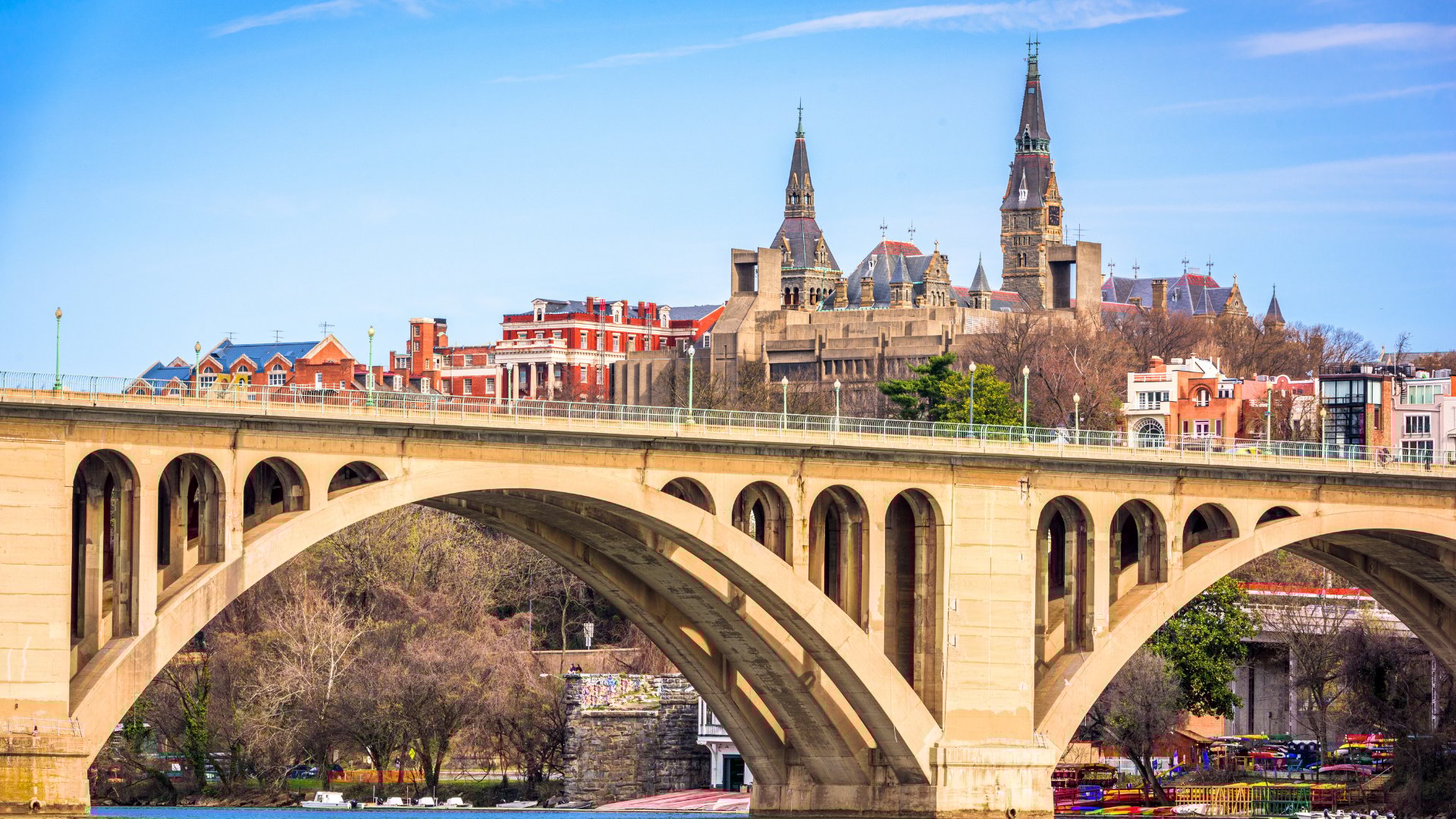
Georgetown consistently attracts professionals, diplomats, executives, families, and international buyers seeking lifestyle-driven living.
Residents choose Georgetown for:
-
Historic cobblestone streets and Federal-style rowhomes
-
Walkability to restaurants, shopping, and the waterfront
-
Access to downtown DC, Northern Virginia, and major employers
-
A strong sense of neighborhood identity
-
Boutique shopping and nationally recognized dining
-
Scenic parks and outdoor recreation
-
Community events, including seasonal festivals, outdoor concerts, farmers’ markets, and parades fostering a welcoming environment
Living here offers an urban feel with a residential atmosphere, where most residents own their homes and enjoy proximity to cafes, parks, and nightlife.
Georgetown Lifestyle: What Daily Life Feels Like
Georgetown delivers a lifestyle that balances elegance with energy.
Mornings might begin with coffee along Wisconsin Avenue, followed by a walk or run along the Potomac River. Afternoons often include shopping on M Street or meetings downtown, while evenings transition into waterfront dining or neighborhood gatherings.
The neighborhood seamlessly mixes:
-
Longtime residents
-
Young professionals
-
Families
-
Students from Georgetown University
-
International residents and diplomats
This blend creates a dynamic yet tight-knit community atmosphere that many buyers find difficult to replicate elsewhere in DC.
Dining, Shopping & Local Favorites
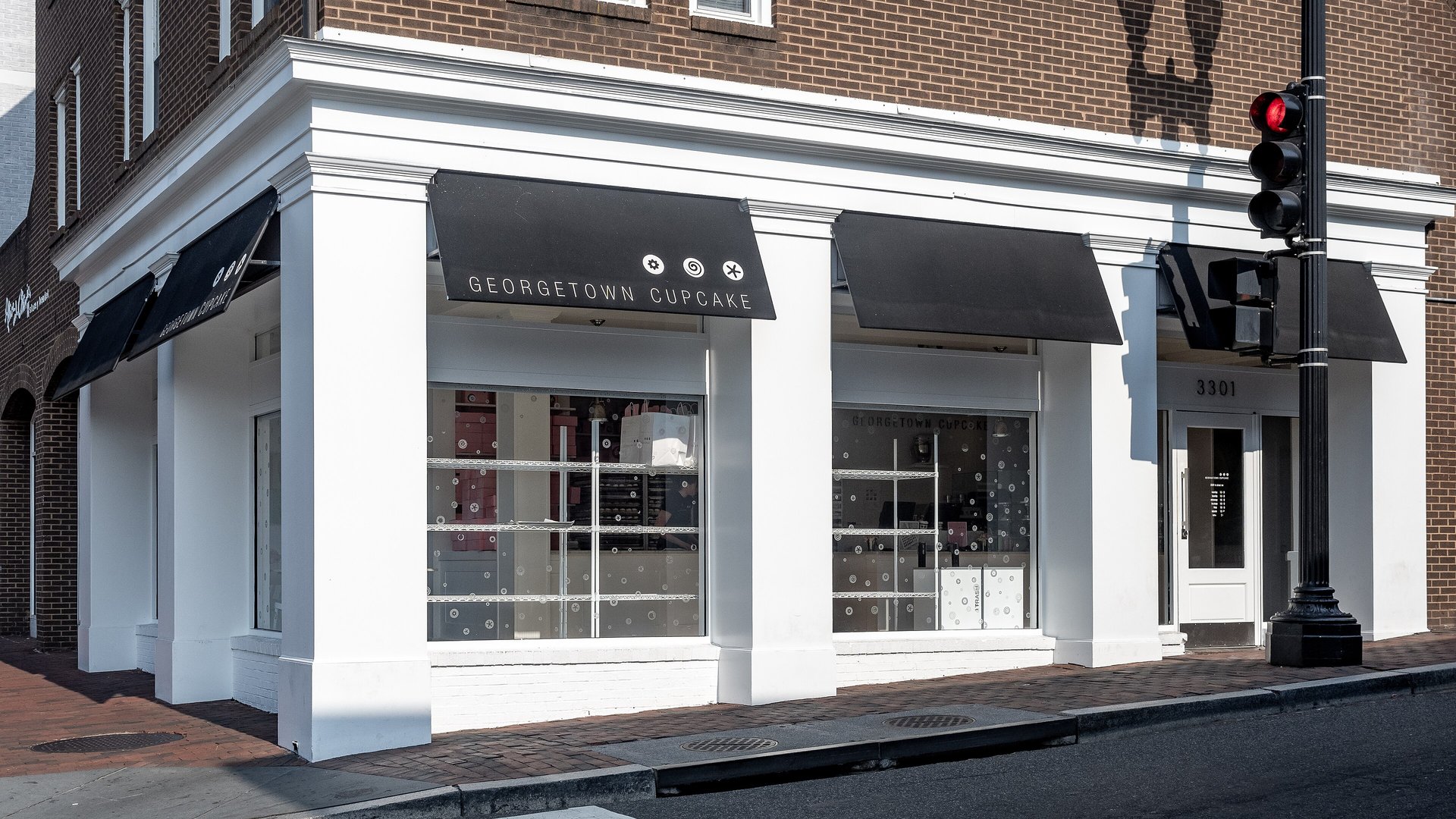
Georgetown is one of DC’s premier destinations for dining and retail.
Dining & Nightlife
Georgetown’s food scene is a mix of upscale dining, historic taverns, and casual cafes
-
Fine dining featuring renowned restaurants serving modern American, Italian, French, and global cuisine, with waterfront dining for special occasions
-
Casual spots including quaint coffee shops, bakeries, and brunch spots
-
Historic taverns, such as Martin’s Tavern, serving locals and politicians since the 1930s
-
Nightlife, with trendy bars, cocktail lounges, and live music venues offering evening entertainment without leaving the neighborhood
Shopping & Boutiques
M Street and Wisconsin Avenue are Georgetown’s main retail corridors. Highlights include:
-
Luxury brands, with high-end fashion and specialty stores
-
Local boutiques, featuring unique, independent shops
-
Specialty stores, offering home goods, books, and artisanal products
-
Farmers’ markets and seasonal pop-ups, with fresh produce, artisanal foods, and local crafts
The commercial district continues evolving with new restaurants and global concepts opening regularly, reinforcing Georgetown’s reputation as one of DC’s trendsetting neighborhoods.
Outdoor Spaces & Waterfront Living
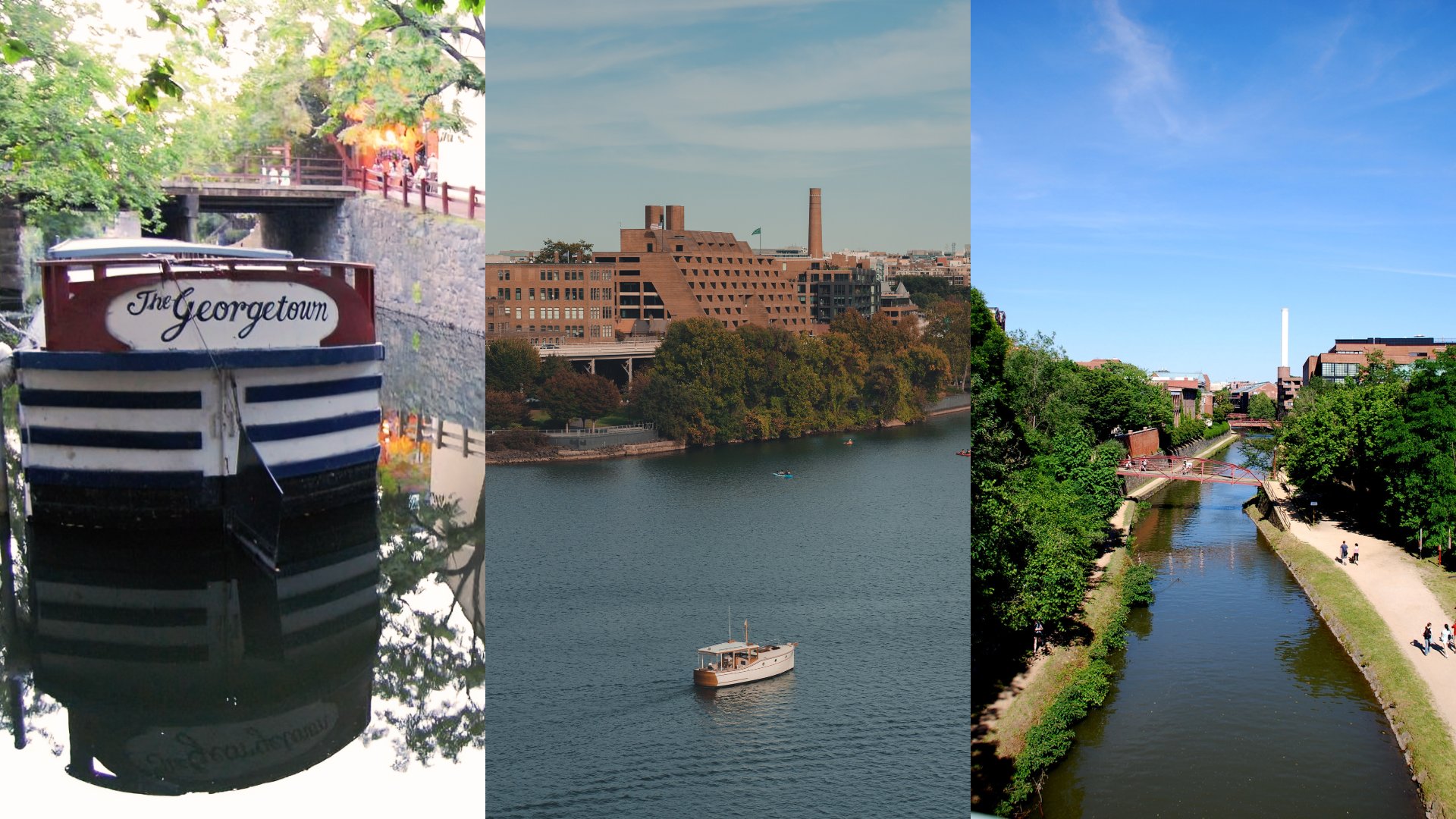
One of Georgetown’s biggest advantages is access to nature within the city.
Residents enjoy:
-
Georgetown Waterfront Park for walking, biking, and kayaking and picnics
-
The historic C&O Canal Towpath
-
Dumbarton Oaks Gardens and quiet green spaces
-
Potomac River views and sunset promenades
Waterfront access adds a lifestyle element rarely found in dense urban neighborhoods.
Real Estate in Georgetown
Georgetown real estate is among the most prestigious, and limited, in Washington, DC.
Housing Styles
-
Historic Federal and Victorian rowhouses
-
Luxury townhomes
-
Renovated historic estates
-
Boutique condominiums
-
Waterfront residences
Many homes date back to the 18th and 19th centuries on tree-lined streets north of M Street, contributing to the neighborhood’s timeless character.
Market Snapshot
Georgetown is known for its premium real estate market. Key insights include:
-
Historic rowhouses and townhomes that retain original architectural details, such as exposed brick, wood floors, and crown molding
-
Modern condos that integrate luxury amenities while respecting historic aesthetics
-
Pricing that reflects the neighborhood’s history, location, and amenities
-
Market trends, with homes holding value well due to limited inventory and high demand
-
Neighborhood appeal, with buyers prioritizing walkability, historic charm, waterfront access, and proximity to schools, dining, and shopping
Buyers relocating from cities like New York, Boston, California, or international markets often view Georgetown as DC’s equivalent to historic luxury urban neighborhoods.
Schools & Community Appeal
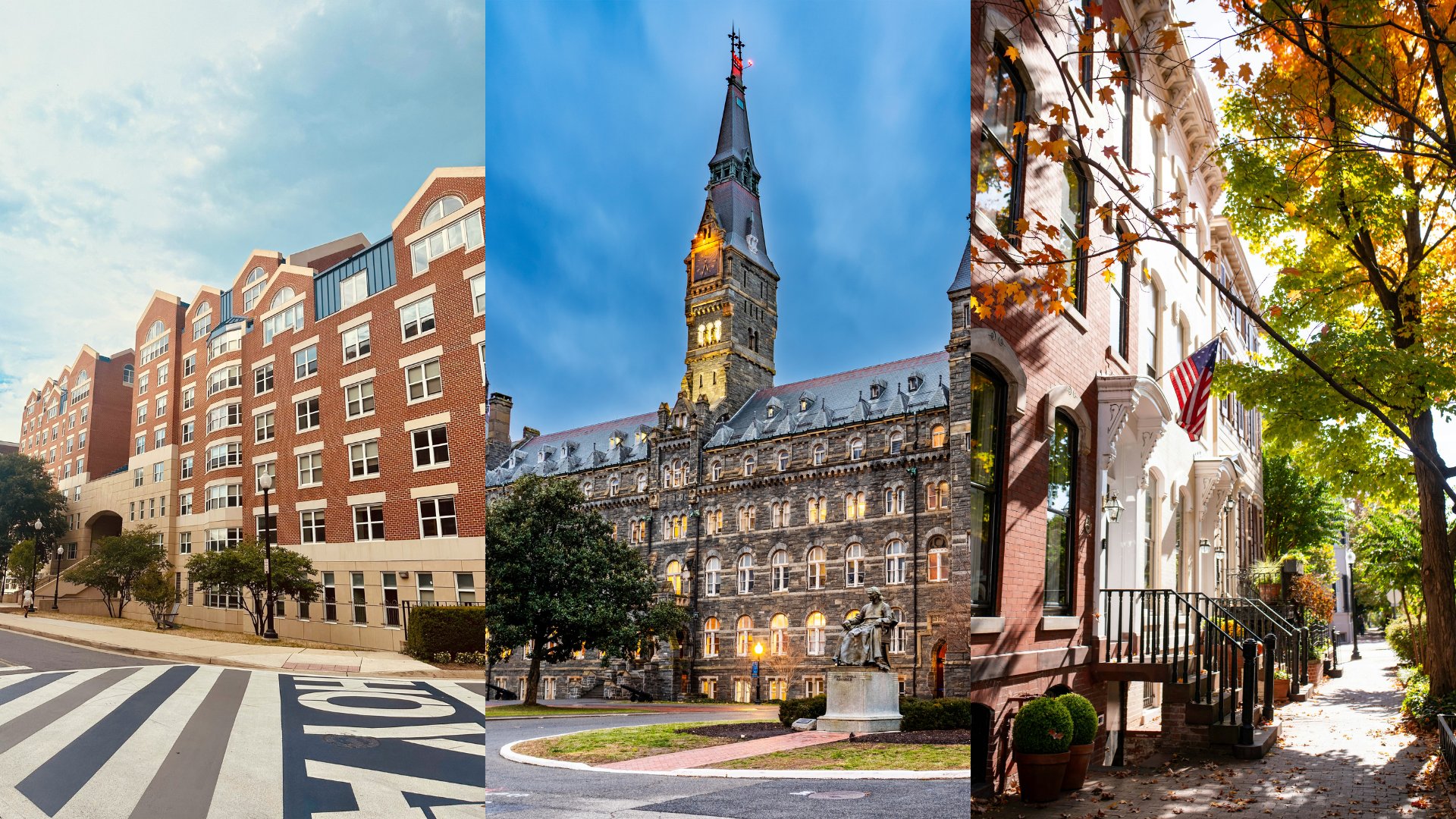
Georgetown attracts families due to:
-
Highly rated public and private school options nearby
-
Walkable residential streets
-
Community events and seasonal festivals
-
Safe, well-maintained surroundings
Residents frequently describe the area as beautiful, active, and community-oriented with events happening year-round.
Commuting & Accessibility
While Georgetown famously lacks a Metro stop, residents benefit from:
-
Short commutes to Downtown DC
-
Easy access to Key Bridge and Northern Virginia
-
Multiple bus routes
-
Walk and bike commuting options
Many professionals simply walk or bike to nearby employment centers due to Georgetown’s central location.
Who Georgetown Is Perfect For
Georgetown tends to appeal most to:
✔ Executives & professionals
✔ Luxury buyers
✔ Diplomats & international relocations
✔ Downsizers seeking walkability
✔ Families wanting historic character
✔ Buyers prioritizing lifestyle over new construction
Why Buyers Choose Georgetown Over Other DC Neighborhoods
Georgetown stands apart because it offers:
-
Historic authenticity
-
Waterfront living
-
Architectural prestige
-
Walkable luxury lifestyle
-
Long-term property value stability
It remains one of the few neighborhoods where real estate, lifestyle, and global recognition intersect.
Thinking About Moving to Georgetown?
Whether you're relocating within Washington, DC or moving from another city, Georgetown offers a rare opportunity to live in one of America’s most historic and desirable urban neighborhoods.
FAQs about Living in Georgetown DC
Q1: Is Georgetown a good place to live in Washington, DC?
A: Yes, Georgetown is widely considered one of the best neighborhoods to live in Washington, DC due to its historic charm, walkability, waterfront access, and strong property values. Residents enjoy tree-lined streets, nationally recognized restaurants, boutique shopping, and easy access to downtown DC and Northern Virginia.
Georgetown appeals to professionals, families, diplomats, and luxury buyers seeking a neighborhood that combines urban convenience with a residential feel and long-term real estate stability.
Q2: What is it like living in Georgetown DC?
A: Living in Georgetown offers a lifestyle that feels distinctly different from much of Washington, DC. Daily life often includes walking to coffee shops, dining along the waterfront, shopping on M Street, or biking the C&O Canal Towpath.
The neighborhood blends historic architecture with an active social scene, creating an environment that is both elegant and lively. Many residents describe Georgetown as feeling more like a European village than a typical American city neighborhood.
Q3: Is Georgetown DC walkable?
A: Georgetown is one of the most walkable neighborhoods in Washington, DC. Most residents can walk to restaurants, grocery stores, parks, fitness studios, schools, and shopping areas without needing a car.
Popular walkable destinations include:
-
Georgetown Waterfront Park
-
M Street shopping district
-
Wisconsin Avenue restaurants and cafes
-
The C&O Canal Towpath
Because of its walkability, many residents rely on walking, biking, or rideshare services for daily errands and commuting.
Q4: Why is Georgetown DC so expensive?
A: Georgetown real estate commands premium prices due to limited housing inventory, historic preservation protections, and global demand for the neighborhood.
Key factors driving home values include:
-
Historic homes that cannot be easily replicated
-
One of DC’s most recognizable addresses
-
Waterfront proximity
-
Strong long-term appreciation
-
Architectural character and protected zoning
Because new development is restricted, supply remains low while demand consistently stays high.
Q5: Does Georgetown have a Metro station?
A: Georgetown is famously one of the few central DC neighborhoods without a Metro station. However, residents still benefit from convenient transportation options including multiple bus routes, nearby Metro access in Foggy Bottom and Rosslyn, biking infrastructure, and short commute times to downtown employment centers.
Many Georgetown residents walk or bike to work due to the neighborhood’s central location.
Q6: Who typically lives in Georgetown DC?
A: Georgetown attracts a diverse but lifestyle-focused population, including:
-
Professionals and executives
-
Diplomats and international residents
-
Georgetown University faculty and graduate students
-
Families seeking walkable neighborhoods
-
Downsizers moving from suburban homes
-
Luxury and historic home buyers
The neighborhood maintains a strong sense of community while remaining socially and culturally active.
Q7: Are there families living in Georgetown?
A: Yes. While Georgetown is known for luxury living and historic homes, it is also a popular neighborhood for families.
Families are drawn to Georgetown for:
-
Quiet residential streets north of M Street
-
Access to parks and outdoor space
-
Highly regarded public and private schools nearby
-
Walkability to activities and amenities
-
Community events and neighborhood traditions
Many homes offer multi-level layouts well suited for family living within the city.
Q8: What types of homes are in Georgetown DC?
A: Georgetown features some of the most architecturally significant homes in Washington, DC, including:
-
Federal-style historic rowhomes
-
Victorian townhouses
-
Renovated historic residences
-
Luxury condominiums
-
Boutique new construction residences
-
Waterfront properties
Many homes date back to the 18th and 19th centuries and are located within protected historic districts.
Q9: Is Georgetown DC safe?
A: Georgetown is generally considered one of the safer and more established neighborhoods in Washington, DC. Its active streets, strong community presence, and consistent foot traffic contribute to a secure residential environment.
Like any urban neighborhood, residents benefit from normal city awareness, but Georgetown’s residential character and neighborhood engagement are major draws for buyers.
Q10: What are the best things to do in Georgetown DC?
A: Georgetown offers year-round activities for residents and visitors alike, including:
-
Dining along the Georgetown Waterfront
-
Shopping on M Street and Wisconsin Avenue
-
Walking or biking the C&O Canal
-
Visiting Dumbarton Oaks Gardens
-
Kayaking on the Potomac River
-
Seasonal events, markets, and holiday celebrations
The neighborhood combines outdoor recreation, culture, dining, and history within a compact, walkable area.
Q11: Is Georgetown a good investment for real estate?
A: Georgetown has historically been one of the most stable real estate markets in Washington, DC due to limited supply, preservation protections, and consistent buyer demand.
Homes in Georgetown often retain value well compared to newer neighborhoods because the historic character and location cannot be duplicated elsewhere in the city.
Q12: What neighborhoods are near Georgetown DC?
A: Georgetown is centrally located near several desirable DC neighborhoods, including:
-
Foggy Bottom
-
Dupont Circle
-
Kalorama
-
West End
- Burleith
-
Glover Park
Its proximity to both downtown Washington and Northern Virginia makes it especially attractive for commuters and relocating buyers.
Q13: Is Georgetown DC a good neighborhood for relocation buyers?
A: Yes, Georgetown is one of the most requested neighborhoods among buyers relocating to Washington, DC from cities like New York, Boston, Chicago, California, and international locations.
Relocation buyers often choose Georgetown because it offers:
-
Immediate neighborhood identity
-
Walkable lifestyle
-
Historic architecture
-
Established prestige
-
Easy transition into city living
For many newcomers, Georgetown represents the classic Washington, DC experience.